Tree Removal
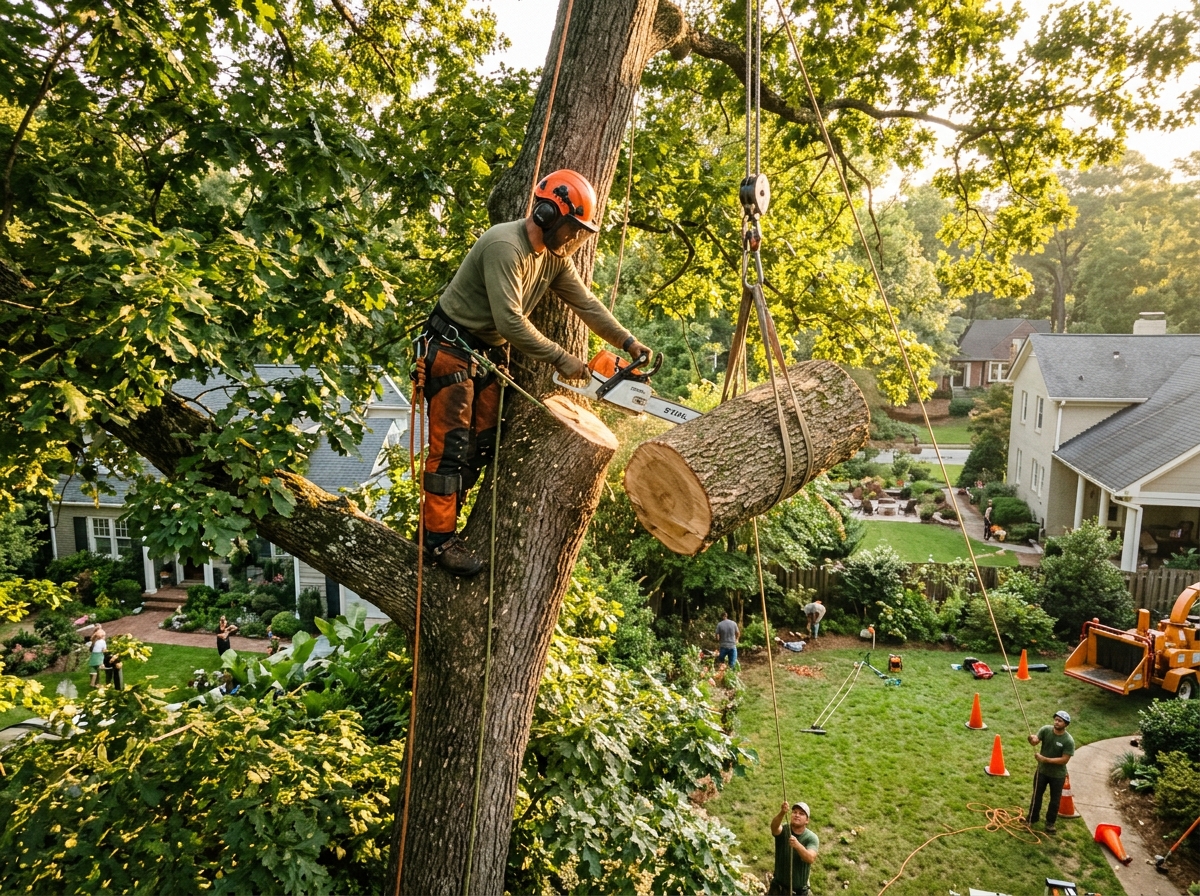
From a single dead pine to a towering oak leaning over your roof, we connect you with skilled, insured local crews who take trees down safely — no matter how big or how tight the space.
Learn more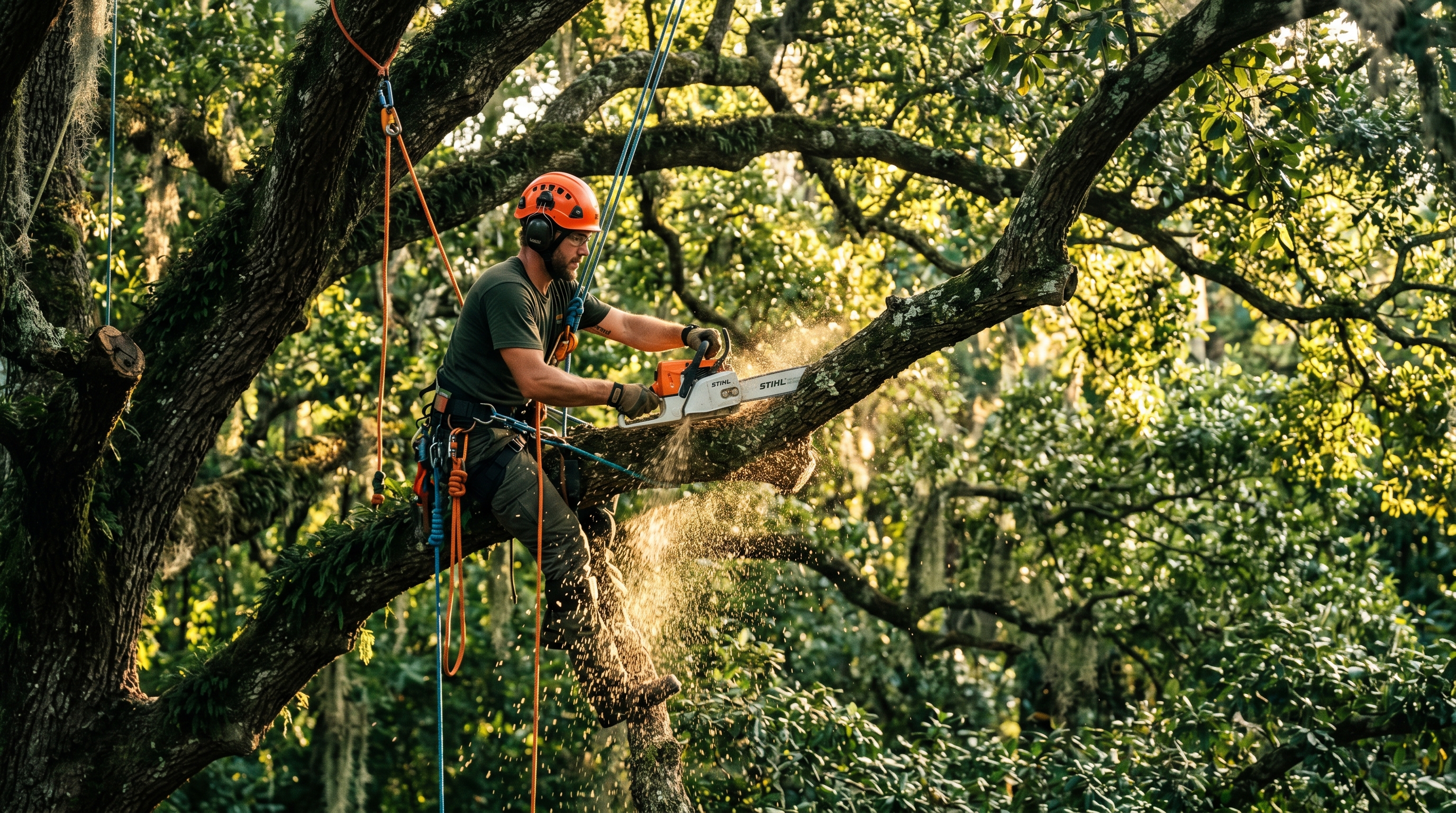
Sandy Springs tree care
Sandy Springs sits among rolling, heavily wooded terrain along the Chattahoochee, with large lots full of mature hardwoods and pines close to homes — and plenty of trees that lean, decline, or come down in storms.
Local tree pros
Sandy Springs sits among rolling, heavily wooded terrain along the Chattahoochee, with large lots full of mature hardwoods and pines close to homes — and plenty of trees that lean, decline, or come down in storms.
We connect Sandy Springs homeowners with licensed, insured local crews for removals, pruning, stump grinding, and emergency storm work, with a clear estimate up front and a clean finish.
Book a Free AssessmentPermits & local rules
Sandy Springs requires a tree removal permit for any hardwood or pine 18 inches DBH or larger, any dogwood or redbud 10 inches or larger, and any tree inside a 75-foot stream buffer or the Chattahoochee River corridor — which covers a lot of trees on the city's wooded, river-adjacent lots.
The permit itself is free, but there's a catch: if removals drop your property below the city's 35% minimum residential canopy, you either plant a replacement for each protected tree removed or pay $1,200 per tree into the City Tree Fund. Dead or hazardous trees need documentation and photos approved by the City Arborist before they come down.
We map out which of your trees are protected before quoting, so the removal plan — and any replanting math — is settled up front. Rot or storm damage? Our storm crews document hazards the way the city arborist wants to see them.
Official source: City of Sandy Springs — Tree Removal Permits →
What we do in Sandy Springs
One call connects you with the right local crew for the job — fully insured, with a spotless cleanup.
From a single dead pine to a towering oak leaning over your roof, we connect you with skilled, insured local crews who take trees down safely — no matter how big or how tight the space.
Learn more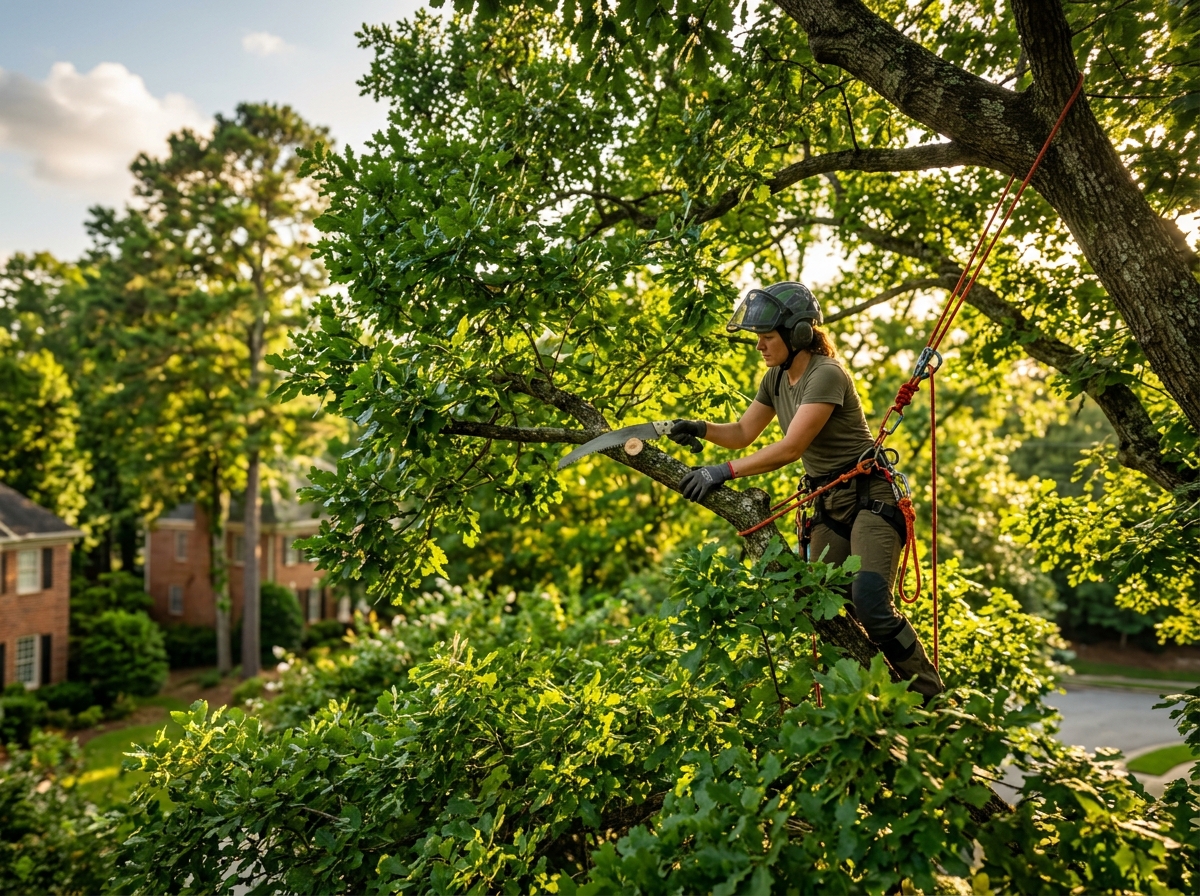
Good pruning is the cheapest tree work you'll ever buy — it keeps trees healthy, safe, and beautiful, and it prevents the failures that turn into expensive removals later.
Learn more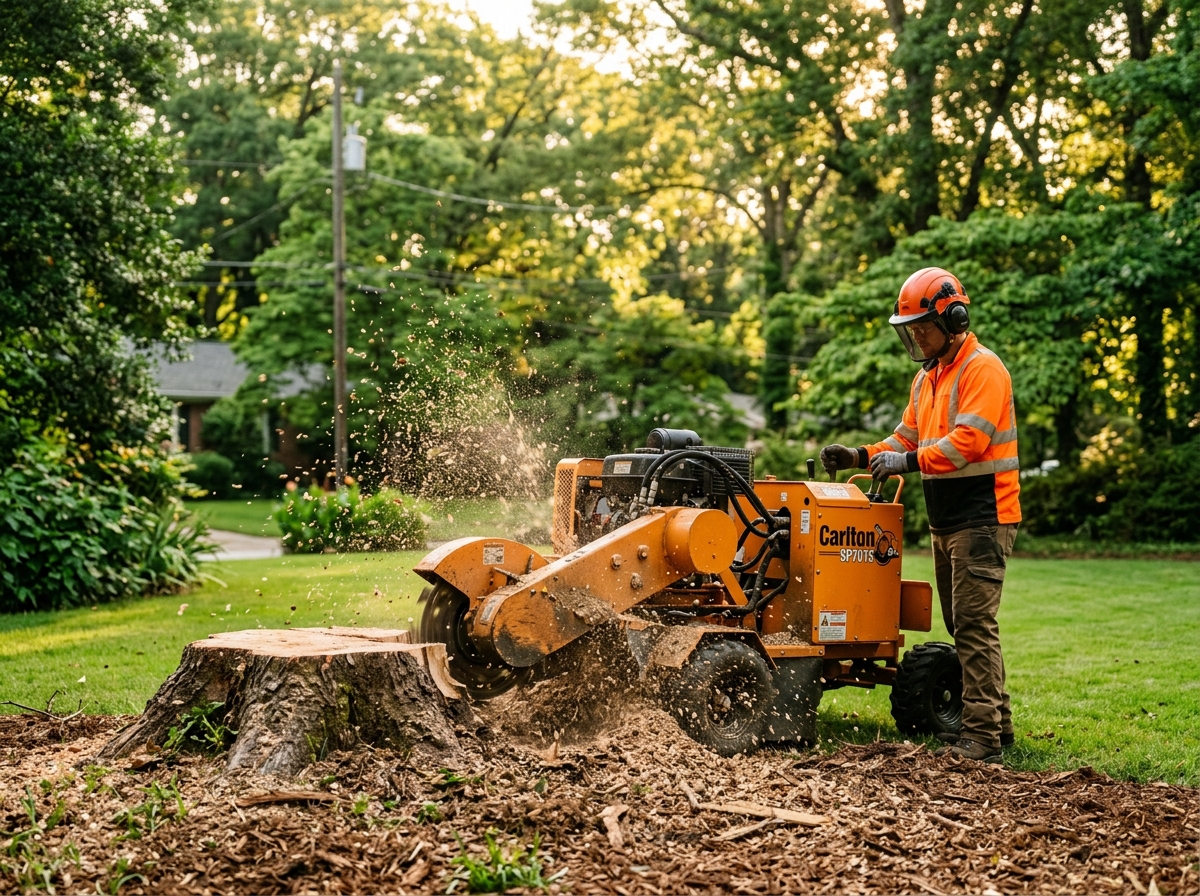
That leftover stump is more than an eyesore — it trips mowers, sprouts suckers, and attracts termites and carpenter ants. Grinding it out lets you take the space back.
Learn more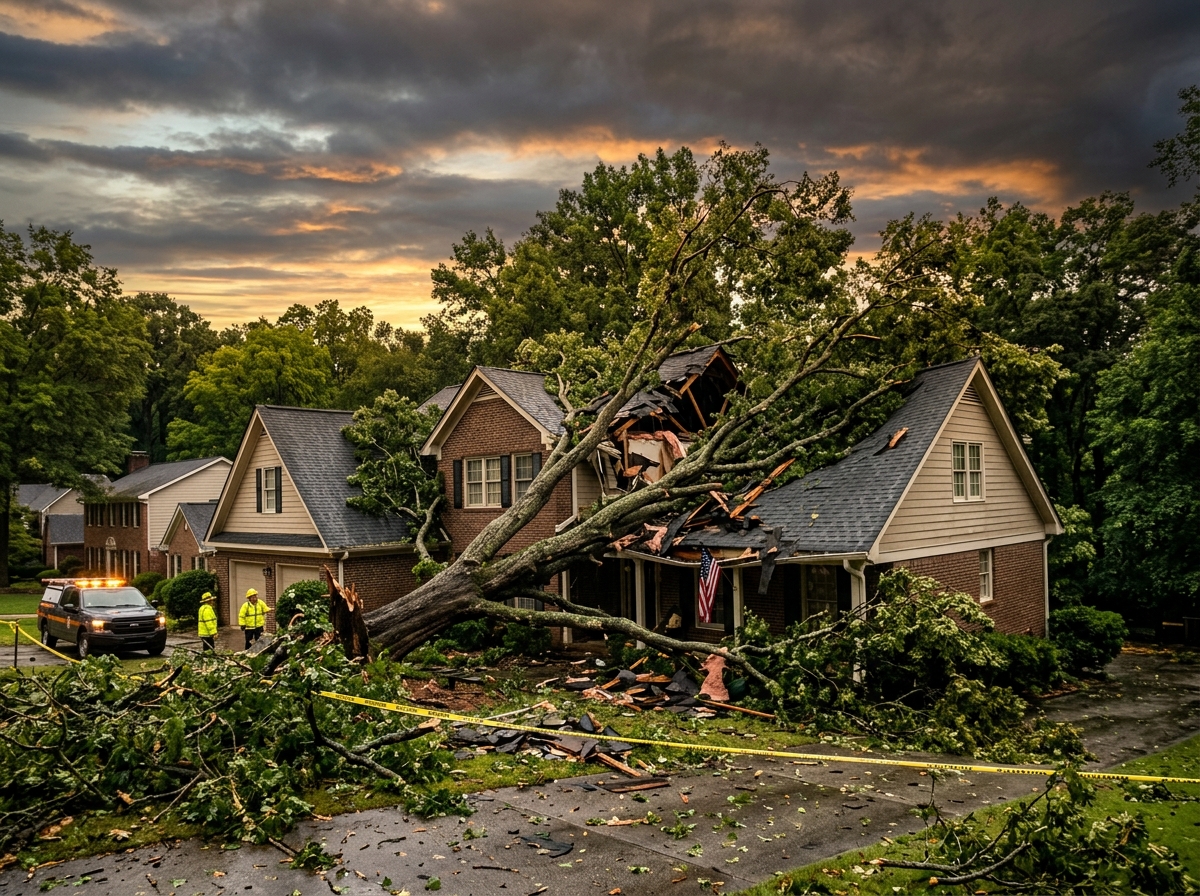
When a tree is on your house or across your driveway, every hour matters. We answer the phone day or night and move fast to make your property safe again.
Learn more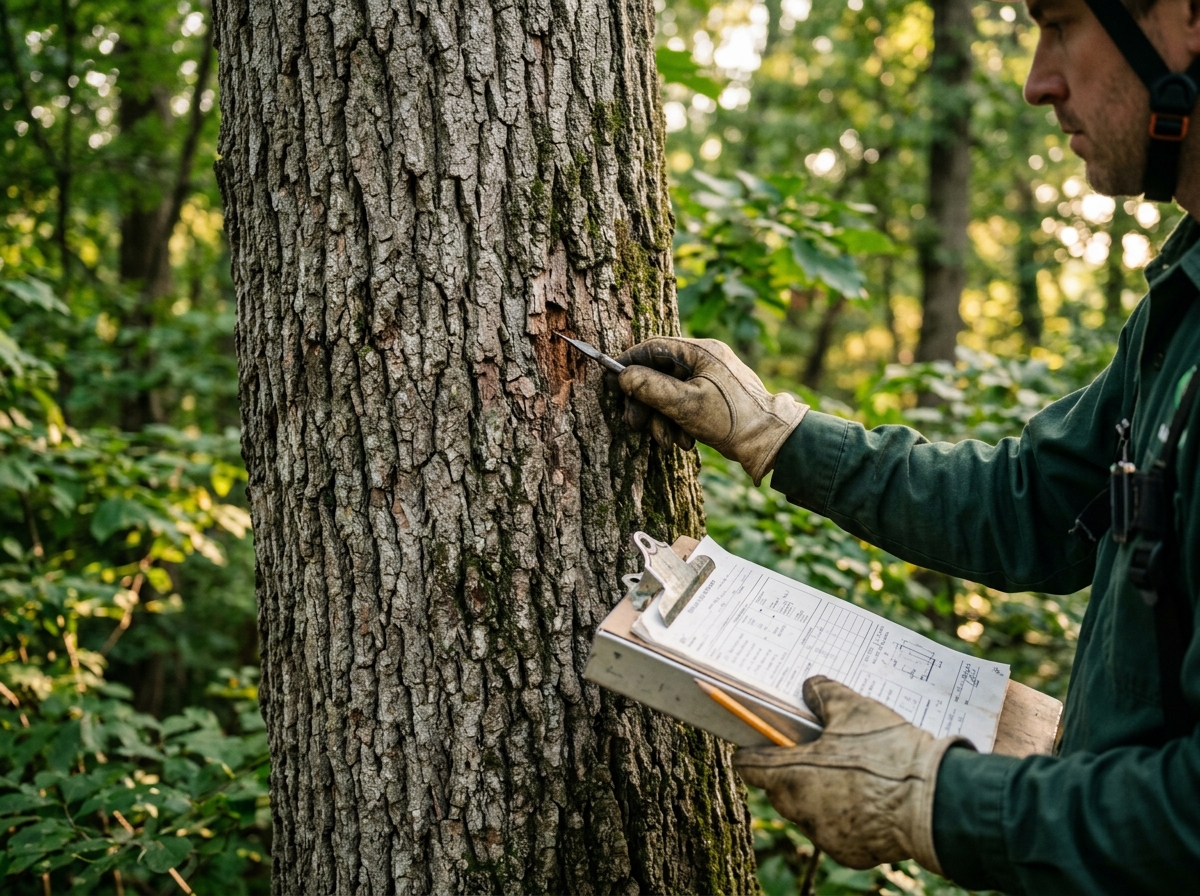
A struggling tree usually gives you warning signs long before it fails. Catch them early and there's often a lot you can do to save it.
Learn more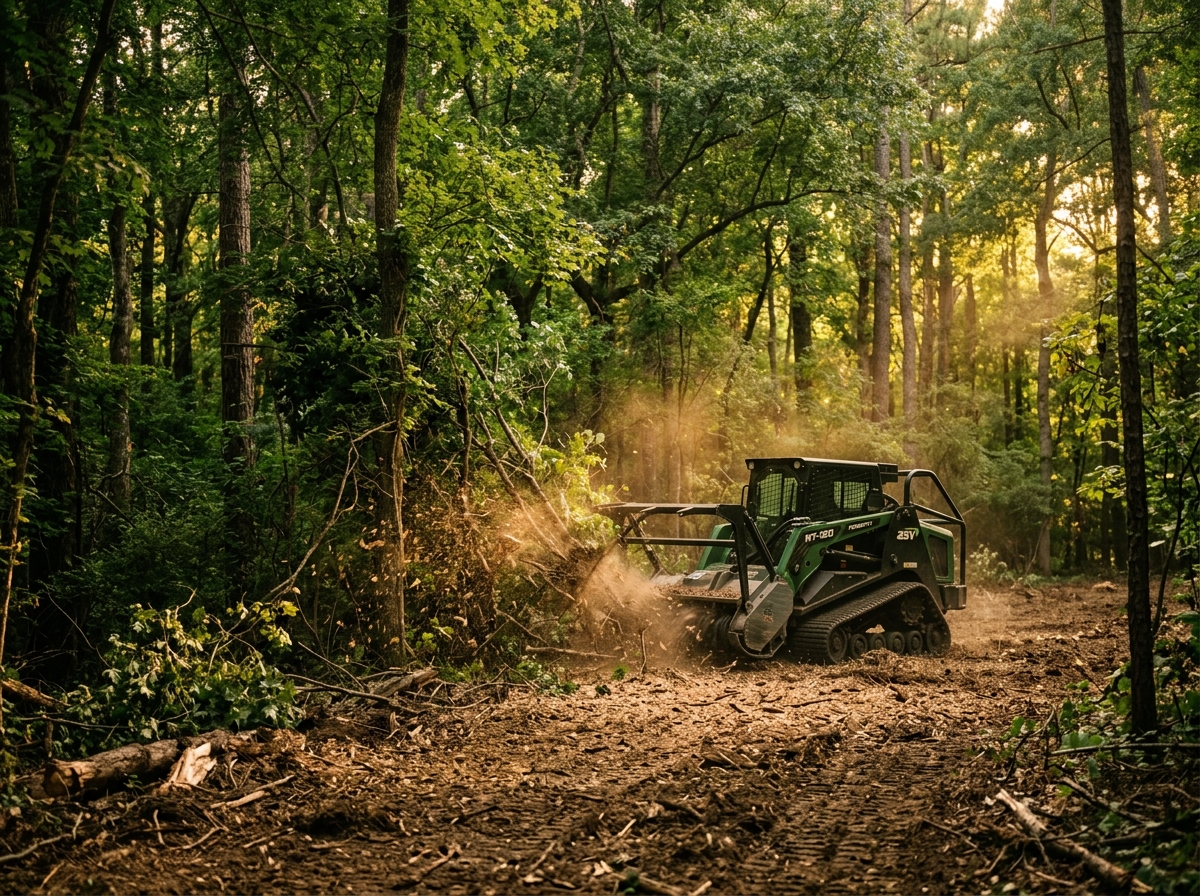
Whether you're building, fencing, farming, or just taking back a jungle, we connect you with crews who clear land efficiently and haul it all away.
Learn more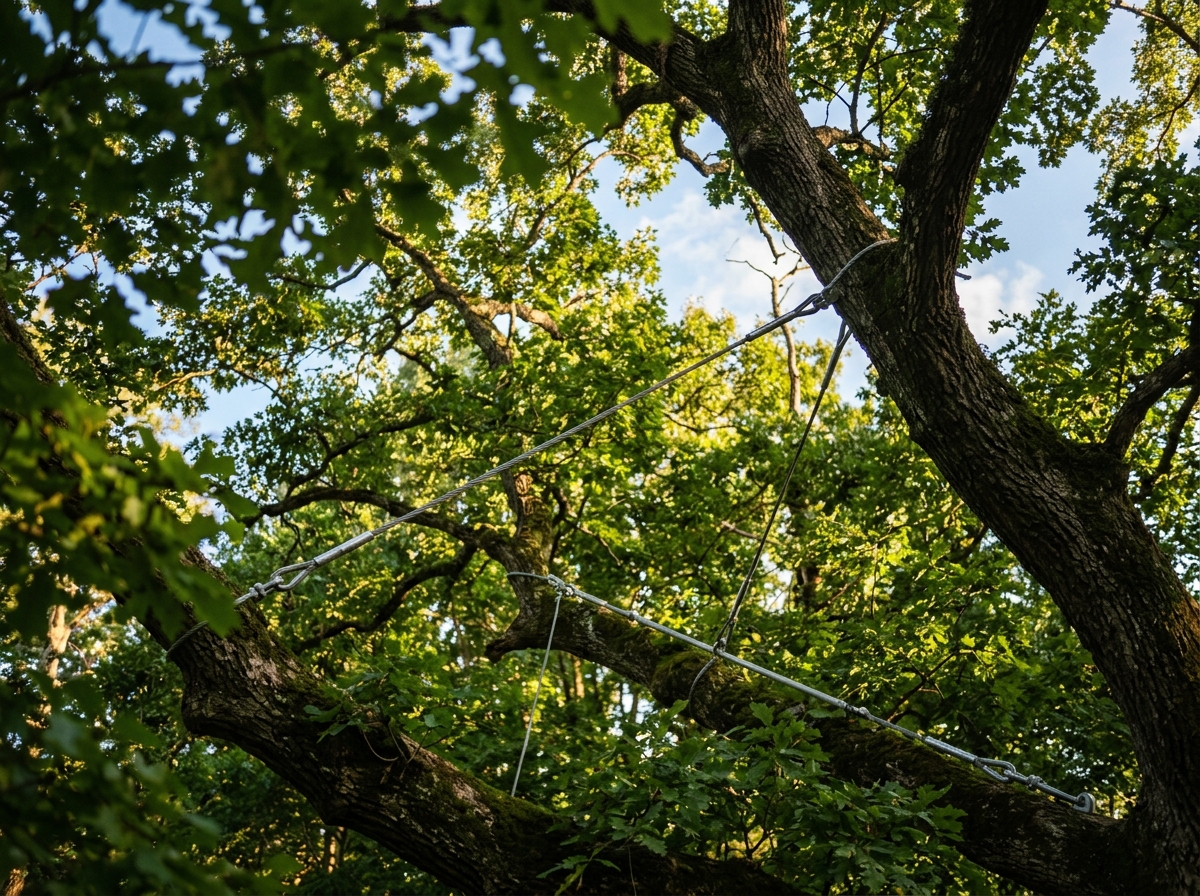
Sometimes the right answer isn't removal. Cables and braces can support a structurally weak tree and buy a beloved shade tree many more years.
Learn more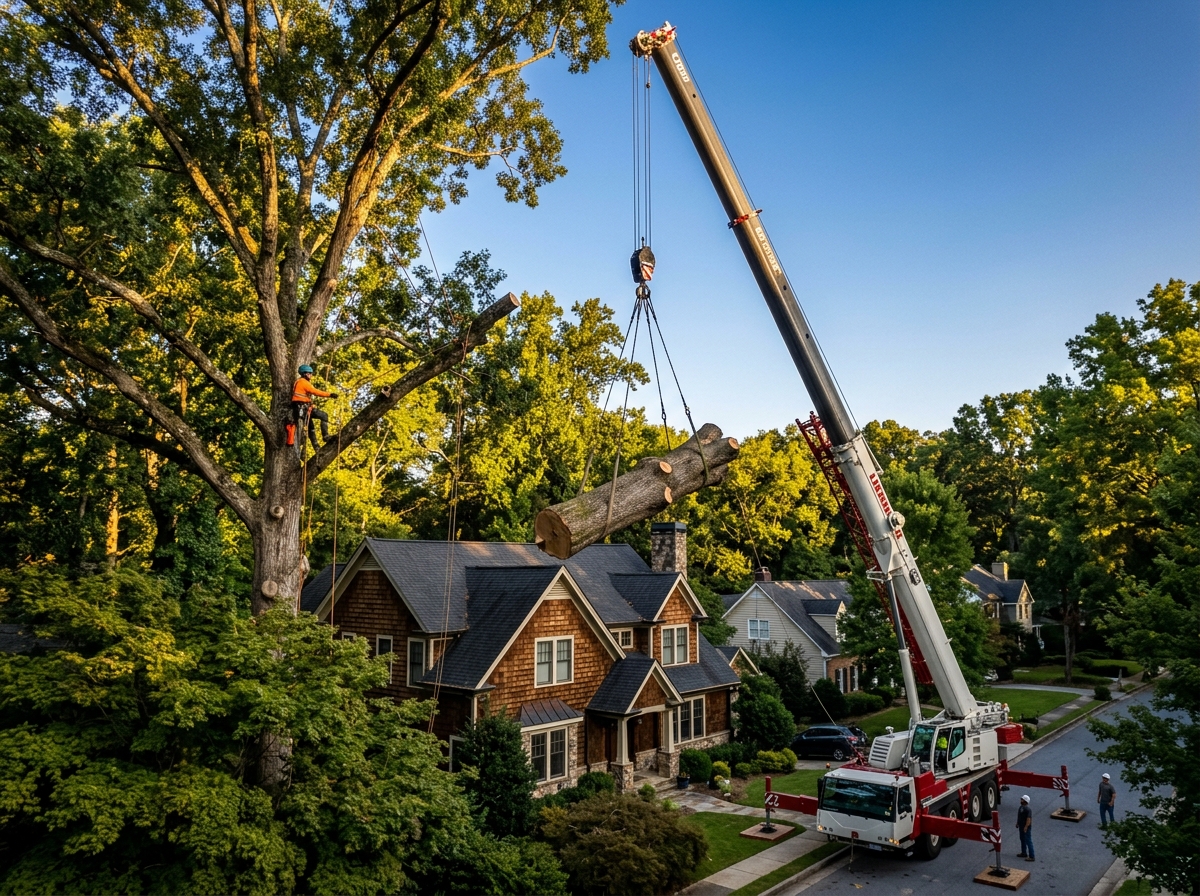
For the giants, the dead trees you can't climb, and the impossible angles, a crane is the safest, fastest, and often the most affordable way to get it done.
Learn more
Life along the Chattahoochee
Sandy Springs has some 22 miles of Chattahoochee shoreline, and lots near the river carry floodplain hardwoods on steep, wooded terrain — exactly the trees the city regulates most tightly.
Many of the city's big pines sit right around the 18-inch protected threshold. Storm-stressed or beetle-hit pines that size need an assessment and often a permit before removal.
Steep wooded ravines make for beautiful lots and difficult tree work — controlled rigging keeps sections off slopes, streams, and structures.
Pine bark beetles follow drought stress; a fading crown or sawdust trails on the bark mean it's time for an assessment.
Neighborhoods we serve
From the river corridor to City Springs, we cover all of Sandy Springs:
Good to know
If the tree is 18 inches DBH or larger (10 inches for dogwoods and redbuds), or stands in a 75-foot stream buffer or the Chattahoochee River corridor — yes. The permit is free, but replanting or a $1,200-per-tree fund payment can apply if your lot falls below the city's 35% canopy minimum. We sort all of this out during the estimate.
The city wants documentation and photos approved by the City Arborist before a dead or hazardous tree comes down. We prepare exactly that as part of the job.
If removing protected trees drops your property below the 35% minimum residential canopy and you don't replant, the city charges $1,200 per protected tree into its Tree Fund. Planting one replacement tree per removed tree avoids the fee — usually the cheaper route, and we can advise on approved plantings.
Yes. Trees inside the Chattahoochee River corridor or a 75-foot stream buffer are protected regardless of size, so even small removals there need city sign-off. It's the most common surprise for riverside homeowners.
Where we work
From inside the Perimeter to the far suburbs — explore tree service in these metro Atlanta areas:
Don't see your neighborhood? Give us a call — chances are we're already nearby.
Storm damage can't wait
Hazardous limbs, blocked driveways, a tree on the house — call now and we'll get a crew rolling.
Free, no-obligation
Tell us about your trees and we'll get back to you quickly to set up a free, on-site estimate.